In today’s globalized economy, international financial centres (IFCs) play a critical role in connecting capital, businesses, and governments across continents. These cities serve as hubs for banking, investment, insurance, and financial innovation. Over the decades, the global financial landscape has evolved dramatically—from the historic dominance of European financial capitals to the rapid emergence of Asian powerhouses.
Among the most prominent examples are London and Singapore, two cities that represent both the tradition and the transformation of modern global finance. Understanding how these financial centres developed reveals the broader story of globalization, technology, regulation, and economic competition.
What Is an International Financial Centre?
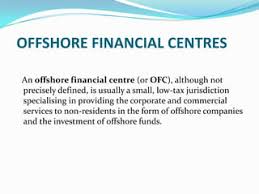
An International Financial Centre (IFC) is a city or region where financial institutions, markets, and services are concentrated and accessible to global clients. These centres attract multinational banks, hedge funds, asset managers, insurance companies, and fintech firms.
Key characteristics of leading financial centres include:
- Strong regulatory frameworks
- Political and economic stability
- Advanced financial infrastructure
- Access to global markets
- Highly skilled workforce
- Business-friendly tax and legal systems
Cities that meet these criteria often become magnets for global capital flows and international investment.
London: The Historic Global Financial Powerhouse
For centuries, London has stood at the heart of international finance. The city’s prominence began during the expansion of the British Empire when London became a central hub for global trade and banking.
Today, London remains one of the world’s most influential financial centres. Institutions such as the London Stock Exchange, global banks, and major insurance markets continue to operate from the city’s famous financial district known as the City of London.
Several factors explain London’s enduring strength:
1. Deep Financial Markets
London hosts one of the largest foreign exchange markets in the world. It also leads in derivatives trading, asset management, and international bond issuance.
2. Strong Legal and Regulatory Framework
English common law is widely used in international contracts, providing predictability and trust for investors and corporations.
3. Global Connectivity
London’s time zone allows it to bridge Asian and American trading hours, making it a natural meeting point for global markets.
4. Financial Talent and Innovation
The city attracts professionals from across the world and has become a major hub for fintech innovation, particularly in digital banking and payments.
Despite challenges such as Brexit, London continues to maintain its status as a global financial leader.
The Rise of Singapore as an Asian Financial Hub
While London represents tradition, Singapore symbolizes the modern evolution of international finance. Over the past few decades, the city-state has transformed itself into one of the most powerful financial centres in Asia.
Singapore’s rise began in the 1970s when the government strategically positioned the country as a regional banking hub. Today, it is recognized globally for its efficient financial system and strong regulatory governance.
Key drivers behind Singapore’s success include:
1. Strategic Geographic Location
Located at the crossroads of major Asian trade routes, Singapore provides access to fast-growing markets such as China, India, and Southeast Asia.
2. Pro-Business Policies
The government has created an attractive environment for financial institutions with competitive tax policies, transparent regulation, and strong intellectual property protections.
3. Fintech and Digital Finance Leadership
Singapore has aggressively invested in financial technology, becoming a leading global centre for blockchain, digital payments, and innovation labs.
4. Political and Economic Stability
Stable governance and efficient administration have built international confidence in Singapore’s financial ecosystem.
Today, many multinational banks and investment firms choose Singapore as their Asian headquarters.
The Competition Among Global Financial Centres
The global financial system is no longer dominated by just a few cities. Instead, a network of financial hubs now competes to attract capital and institutions.
Key players include:
- New York – the largest capital market in the world
- London – Europe’s financial gateway
- Singapore – Asia’s rapidly growing financial hub
- Hong Kong – historically a major bridge between China and global markets
- Dubai – a rising financial centre connecting the Middle East and global investors
This competition drives innovation, regulatory reforms, and improvements in financial infrastructure.
Technology and the Transformation of Finance
One of the most important forces shaping modern financial centres is technology. Digital transformation has changed how financial services are delivered, traded, and regulated.
Key trends include:
- Fintech startups disrupting traditional banking
- Artificial intelligence in trading and risk management
- Blockchain and digital assets
- Cross-border digital payments
Cities that embrace these technologies quickly are more likely to maintain their competitiveness in the future global financial ecosystem.
The Future of International Financial Centres
Looking ahead, the race among financial centres will continue to intensify. Several trends will likely shape the next generation of global finance hubs:
1. Sustainable Finance
Environmental, Social, and Governance (ESG) investing is becoming a major priority for investors and institutions.
2. Digital Currency Development
Central bank digital currencies (CBDCs) may transform global payment systems.
3. Regulatory Cooperation
International cooperation will be essential to manage risks in an interconnected financial system.
4. Talent and Innovation
Cities that attract top talent and foster financial innovation will dominate the next era of global finance.
Conclusion
From the historic streets of London to the futuristic skyline of Singapore, international financial centres illustrate the dynamic evolution of global finance. While London represents centuries of financial tradition, Singapore showcases how strategic planning, technology, and innovation can rapidly build a world-class financial hub.
As globalization continues and digital finance accelerates, the influence of these financial centres will only grow stronger—shaping investment flows, economic development, and the future of global markets.
If you’d like, I can also help with:
- On-page SEO optimization (keywords, meta description, slug)
- Internal linking structure for blog ranking
- Schema markup for better Google visibility
- A 2000+ word version to rank faster on Google 📈