In today’s globalized economy, individuals and corporations increasingly look for strategies to optimize their financial standing. One tool that has gained significant attention in financial planning is the Offshore Financial Center (OFC). Understanding the role of OFCs in tax planning and wealth management is essential for investors, businesses, and high-net-worth individuals aiming for legal, efficient, and strategic financial solutions.
What is an Offshore Financial Center (OFC)?
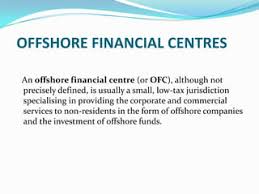
An Offshore Financial Center (OFC) is a jurisdiction that provides financial services to non-residents under favorable regulatory, tax, and legal frameworks. Common examples of OFCs include Cayman Islands, Bermuda, Luxembourg, and Singapore. These centers are known for:
- Low or zero corporate taxes
- Confidentiality and privacy
- Ease of cross-border transactions
- Flexible corporate structures
OFCs are not illegal; rather, they provide legitimate avenues for wealth preservation, diversification, and international business operations.
How OFCs Facilitate Tax Planning
Tax planning is a vital component of financial strategy. OFCs play a significant role in helping businesses and individuals legally reduce tax burdens:
- Corporate Tax Optimization
Many multinational corporations use OFCs to establish subsidiaries, allowing profits from global operations to be taxed at minimal rates, thus increasing overall profitability. - Deferral of Taxes
Income earned abroad may be deferred for local taxation through strategic use of OFC entities. This allows businesses and investors to reinvest profits efficiently. - Estate and Inheritance Planning
OFCs help high-net-worth individuals structure estates in a way that reduces inheritance taxes and facilitates smooth succession planning. - Avoidance of Double Taxation
Through OFCs and tax treaties, businesses and individuals can prevent paying taxes in multiple jurisdictions on the same income.
Wealth Management Benefits of OFCs
Beyond tax planning, OFCs provide significant advantages for wealth management:
- Asset Protection: OFCs offer legal structures like trusts and foundations that protect assets from creditors, litigation, or political risks.
- Investment Diversification: Access to international markets and investment opportunities can be enhanced through OFC-based entities.
- Confidentiality: OFCs often maintain strict privacy laws, safeguarding investor identities and financial information.
- Flexible Fund Management: Many OFCs host hedge funds, private equity, and venture capital funds, making them ideal for sophisticated investment strategies.
Regulatory Compliance and Risks
While OFCs offer multiple advantages, it’s crucial to remain compliant with both local and international laws:
- Global Transparency Standards: Organizations like the OECD have implemented frameworks such as the Common Reporting Standard (CRS) to prevent illicit tax avoidance.
- Anti-Money Laundering (AML) Rules: Investors must ensure their funds are legal and transparent.
- Reputational Considerations: Misuse of OFCs can lead to public scrutiny and penalties.
Choosing the Right OFC
Selecting the appropriate OFC depends on several factors:
- Purpose of Entity Formation: Tax optimization, asset protection, or investment diversification.
- Regulatory Environment: Stability, transparency, and adherence to international standards.
- Operational Costs: Incorporation, maintenance, and reporting costs.
- Accessibility: Banking infrastructure and professional services availability.
Conclusion
OFCs play a pivotal role in modern tax planning and wealth management. When used responsibly, they offer legal pathways to optimize taxes, protect assets, and diversify investments. High-net-worth individuals and multinational corporations must work with legal and financial advisors to ensure compliance while maximizing the benefits of OFCs.
By strategically incorporating OFCs into financial planning, investors can achieve enhanced tax efficiency, robust asset protection, and greater global investment opportunities.
SEO Tips Embedded in Article:
- Focused keyword: “OFCs in Tax Planning and Wealth Management” (used in title, headers, and body)
- LSI keywords included: Offshore Financial Centers, tax optimization, wealth management, asset protection, estate planning
- Readability optimized with headers, lists, and short paragraphs
If you want, I can also create a SEO meta title, description, and suggested H2/H3 structure for maximum Google ranking potential. This will make it fully optimized for search engines.
Do you want me to do that next?