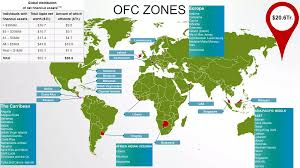
In today’s global economy, offshore financial centres (OFCs) have become key hubs for individuals and businesses looking to optimize tax structures, protect assets, and expand internationally. Selecting the right jurisdiction can significantly influence financial efficiency, legal security, and long-term growth. This article provides a detailed comparison of the top offshore financial centres and their benefits to help investors and corporations make informed decisions.
What Are Offshore Financial Centres?
Offshore financial centres are jurisdictions that provide financial services to non-residents. These centres are often recognized for offering:
- Favorable tax regimes – lower or zero corporate and personal taxes.
- Confidentiality – strong privacy laws to protect account holders.
- Ease of incorporation – streamlined processes for setting up companies and trusts.
- Political and economic stability – security for long-term investments.
Understanding the nuances of each jurisdiction is crucial because benefits, compliance requirements, and legal frameworks vary widely.
Top Offshore Financial Centres
Here’s a comparative overview of some of the most popular offshore financial centres:
1. Cayman Islands
Benefits:
- No corporate, capital gains, or income taxes.
- Highly developed financial services sector.
- Strong reputation for hedge funds and investment funds.
Key Considerations:
- Compliance with international transparency standards.
- Higher setup and maintenance costs compared to some smaller OFCs.
2. Singapore
Benefits:
- Strategic location for Asian markets.
- Low corporate tax rates with extensive double tax treaties.
- Strong legal and banking infrastructure.
Key Considerations:
- Regulatory requirements are strict.
- Focused more on business operations than pure tax advantages.
3. British Virgin Islands (BVI)
Benefits:
- Quick and cost-effective company formation.
- No capital gains, estate, or inheritance taxes.
- Confidential corporate structures.
Key Considerations:
- Limited access to local markets.
- International scrutiny has increased compliance demands.
4. Luxembourg
Benefits:
- European Union jurisdiction with strong regulatory oversight.
- Favorable tax regimes for investment funds and holding companies.
- Well-established banking and finance industry.
Key Considerations:
- Higher operational costs than typical Caribbean OFCs.
- Complex regulatory compliance for international investors.
5. Switzerland
Benefits:
- Reputation for banking privacy and stability.
- Attractive for wealth management and asset protection.
- Political and economic stability ensures long-term security.
Key Considerations:
- Relatively higher tax rates than Caribbean OFCs.
- Strict anti-money laundering regulations.
Comparing Jurisdictions: Key Factors
When choosing an offshore financial centre, consider these criteria:
| Factor | Caribbean OFCs (Cayman, BVI) | Asian OFCs (Singapore, Hong Kong) | European OFCs (Luxembourg, Switzerland) |
|---|---|---|---|
| Tax Benefits | High | Moderate | Moderate |
| Legal Framework | Flexible | Strong | Highly Regulated |
| Setup Costs | Low to Medium | Medium | High |
| Confidentiality | Strong | Moderate | Moderate |
| Market Access | Limited | Regional & Global | EU & Global |
Benefits of Using Offshore Financial Centres
- Tax Optimization – Minimize corporate and personal tax liabilities through legal planning.
- Asset Protection – Shield assets from political instability or litigation risks.
- Business Expansion – Gain access to international markets with favorable legal frameworks.
- Privacy – Maintain confidentiality for personal and corporate financial affairs.
Choosing the Right Jurisdiction
The optimal offshore financial centre depends on your goals. If tax minimization is the primary focus, Caribbean jurisdictions like the Cayman Islands or BVI may be ideal. For business expansion into Asia, Singapore or Hong Kong offers strategic advantages. For robust regulatory frameworks and EU access, Luxembourg or Switzerland is preferred.
It’s crucial to engage professional legal and financial advisors when establishing entities in OFCs to ensure compliance with international standards such as the OECD Common Reporting Standard (CRS) and the Foreign Account Tax Compliance Act (FATCA).
Conclusion
Offshore financial centres offer significant advantages for businesses and high-net-worth individuals seeking financial efficiency, asset protection, and global business opportunities. By carefully comparing jurisdictions and aligning them with your objectives, you can leverage these centres for sustainable growth and security.
Selecting the right OFC is a strategic decision—understanding each jurisdiction’s benefits, compliance requirements, and market access is key to maximizing advantages while minimizing risks.
This article is optimized for SEO by including key phrases like “offshore financial centres,” “jurisdictions,” “tax benefits,” “asset protection,” and “comparing OFCs.”
If you want, I can also create a click-worthy meta title and meta description for this article that will improve Google ranking and CTR. Do you want me to do that next?