International financial centres (IFCs) play a critical role in the global economy. These cities serve as hubs where capital flows, financial institutions operate, and global economic decisions are made. From facilitating cross-border investments to influencing global markets, international financial centres act as the backbone of modern finance.
In today’s interconnected world, the importance of financial hubs such as New York City, London, Hong Kong, and Singapore continues to grow. These centres do far more than host banks—they shape global economic power, facilitate international trade, and influence financial regulations worldwide.
This article explores why international financial centres matter, how they drive economic influence, and why they remain essential to the global financial system.
What Is an International Financial Centre?
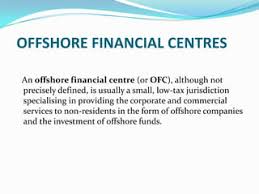
An international financial centre is a city or region that provides a wide range of financial services to global clients. These services include banking, asset management, insurance, capital markets, and foreign exchange trading.
A financial hub typically features:
- A strong and stable legal system
- Advanced financial infrastructure
- Highly skilled financial professionals
- Access to global capital markets
- Transparent regulatory frameworks
Cities such as Zurich and Dubai have emerged as influential financial centres due to their strategic locations and investor-friendly policies.
The Role of International Financial Centres in the Global Economy
1. Facilitating Global Capital Flows
One of the most important functions of international financial centres is enabling capital to move across borders efficiently. Businesses, governments, and investors rely on these hubs to access funding and investment opportunities.
For example, companies worldwide raise capital through stock exchanges like the New York Stock Exchange and the London Stock Exchange. These exchanges attract international investors and provide liquidity to the global market.
2. Supporting International Trade and Investment
Global trade requires financing, risk management, and currency exchange—all services provided by financial centres. Banks located in major hubs offer trade finance, foreign exchange services, and cross-border payment solutions.
This infrastructure allows multinational corporations to operate seamlessly across continents while managing financial risks and currency fluctuations.
3. Concentrating Financial Expertise
International financial centres attract top talent from around the world. Economists, investment bankers, financial analysts, and legal experts often cluster in these cities, creating an environment rich in expertise and innovation.
Institutions such as the International Monetary Fund and the World Bank collaborate with financial professionals in these hubs to address global economic challenges.
4. Driving Financial Innovation
Many financial innovations originate in global financial hubs. These cities foster the development of new financial products, technologies, and regulatory frameworks.
For instance, fintech growth has accelerated in centres like Singapore and London, where startups and established institutions collaborate to improve digital payments, blockchain applications, and financial services.
Financial Power and Global Influence
International financial centres are not just economic hubs—they also hold significant geopolitical influence. Countries hosting major financial centres often shape global financial policies, regulatory standards, and monetary trends.
For example:
- New York City influences global capital markets through Wall Street.
- London remains a dominant hub for international banking and foreign exchange trading.
- Hong Kong acts as a gateway between China and global investors.
These centres help governments and institutions project financial power beyond national borders.
Key Characteristics of Successful Financial Centres
To become a leading financial hub, a city typically needs several essential qualities:
Strong Regulatory Environment
A transparent legal framework builds trust among investors and institutions.
Global Connectivity
Major financial centres offer excellent transportation, digital infrastructure, and communication networks.
Market Liquidity
Deep and liquid markets allow investors to buy and sell assets easily.
Political and Economic Stability
Investors prefer regions with predictable governance and stable economic policies.
Challenges Facing International Financial Centres
Despite their importance, financial centres face several challenges:
- Regulatory competition between countries
- Technological disruption from fintech and decentralized finance
- Geopolitical tensions affecting global capital flows
- Economic crises impacting financial markets
For example, events such as the Global Financial Crisis demonstrated how interconnected financial centres are and how disruptions in one hub can impact the entire global economy.
The Future of International Financial Centres
The future of international financial centres will likely be shaped by digital transformation, sustainability, and evolving global trade patterns.
Emerging financial hubs in Asia and the Middle East—such as Shanghai and Abu Dhabi—are increasingly competing with traditional Western financial centres.
Additionally, innovations in financial technology, blockchain, and green finance are redefining how capital moves across borders.
Conclusion
International financial centres are vital to the functioning of the global economy. By facilitating capital flows, supporting international trade, fostering financial innovation, and influencing economic policy, these hubs shape the financial landscape of the modern world.
Cities like New York City, London, and Singapore demonstrate how financial power can translate into global influence.
As global markets continue to evolve, international financial centres will remain essential in connecting economies, enabling investment, and driving economic growth worldwide.